Introduction to Higher Education in Nebraska
Nebraska offers a diverse educational environment for students interested in undergraduate studies, graduate programs, professional education, and career-focused learning. Located in the Midwestern United States, the state is home to public universities, private colleges, community colleges, and specialized educational institutions.
Higher education plays an important role in Nebraska’s economic and social development. Universities and colleges across the state provide academic knowledge, practical training, research opportunities, and professional skills that help students prepare for the modern workforce.
This guide explores Nebraska’s higher education landscape, popular academic fields, university options, student life, online learning, and career opportunities.
Understanding the Nebraska Higher Education System
Nebraska’s higher education system includes several types of institutions designed to meet different learning needs.
Public Universities
Public universities provide a wide range of undergraduate and graduate degree programs. They often offer research opportunities, student support services, campus activities, and professional development resources.
The University of Nebraska System includes institutions such as:
- University of Nebraska–Lincoln
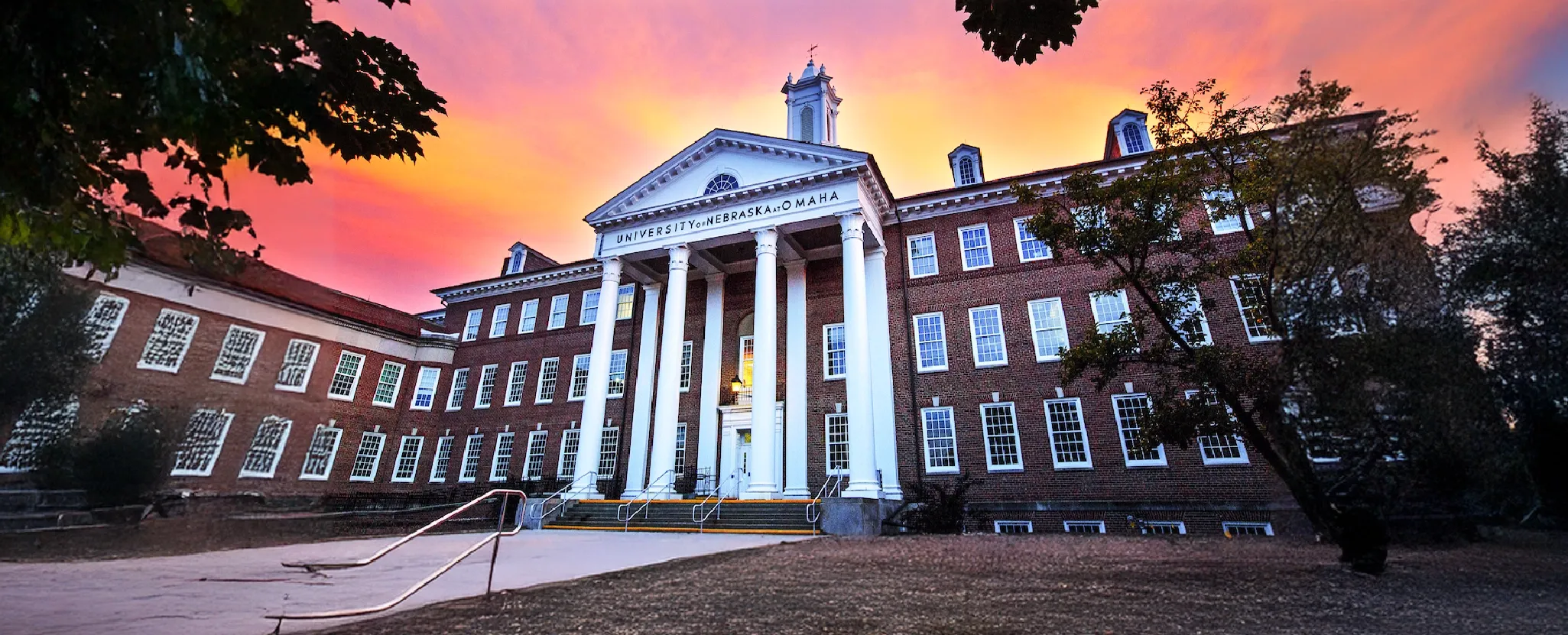
- University of Nebraska at Omaha
- University of Nebraska at Kearney
- University of Nebraska Medical Center
Each institution has its own academic focus, campus environment, and educational opportunities.
Private Colleges and Universities
Private colleges offer additional options for students seeking specialized programs, smaller learning environments, and different academic experiences. Their admission requirements, tuition structures, and available degrees vary by institution.
Community Colleges
Community colleges provide accessible education through associate degrees, career training, technical programs, and transfer pathways. They can be a practical starting point for students who want to continue toward a bachelor’s degree or develop job-ready skills.
Popular Academic Programs in Nebraska
Students can explore many academic disciplines depending on their interests and long-term career goals.
Business and Management
Business programs introduce students to management, marketing, accounting, finance, entrepreneurship, and organizational leadership. These subjects can help prepare graduates for roles in companies, financial institutions, and small businesses.
Engineering and Technology
Engineering and technology education focuses on problem-solving, innovation, software development, information systems, and technical applications. Students may explore areas such as computer science, electrical engineering, mechanical engineering, and data analytics.
Agriculture and Environmental Studies
Agriculture remains an important part of Nebraska’s economy. Educational programs in agricultural sciences, animal science, agribusiness, natural resources, and environmental studies help students understand modern farming, sustainability, and food systems.
Health Sciences
Health-related programs prepare students for careers in healthcare, public health, nursing, medical research, and other professional fields. Nebraska institutions offer different pathways for students interested in health sciences and patient care.
Education and Social Sciences
Students interested in teaching, psychology, sociology, communication, and public service can explore academic programs that develop research, communication, and critical-thinking skills.
Choosing the Right University in Nebraska
Selecting a university is an important decision that can influence a student’s academic experience and future career.
Before applying, students should consider several factors:
- Academic Programs: Check whether the institution offers a degree related to your interests.
- Admission Requirements: Review academic qualifications, application deadlines, and required documents.
- Tuition and Financial Aid: Compare educational costs, scholarships, grants, and available financial assistance.
- Campus Environment: Consider location, facilities, accommodation, and student activities.
- Career Support: Look for internships, career counseling, industry connections, and employment preparation.
- Learning Options: Explore traditional classroom education, hybrid courses, and online programs.
Researching these factors can help students make informed decisions about their education.
Student Life and Campus Experience
University life includes more than classroom learning. Students can participate in clubs, academic organizations, sports, volunteer activities, cultural events, and professional networking opportunities.
Campus activities help students develop communication, teamwork, leadership, and time-management skills. They also provide opportunities to build friendships and connect with people from different backgrounds.
Nebraska’s cities and university communities offer different living environments, from larger metropolitan areas such as Omaha and Lincoln to smaller college communities.
Online Education and Flexible Learning
Online education has created additional opportunities for students who need flexibility in their study schedules. Many institutions provide online courses, degree programs, professional certificates, and continuing education options.
Online learning can be useful for working professionals, adult learners, and students who prefer studying remotely.
When comparing online programs, students should review course structure, accreditation, faculty support, technology requirements, and available student services.
Research and Academic Development
Research is an important part of higher education. Universities provide opportunities for students and faculty to explore new ideas, conduct experiments, analyze information, and contribute to their academic fields.
Research activities can help students improve critical thinking, problem-solving, communication, and analytical skills. Depending on the institution and program, students may participate in faculty-led projects, laboratory work, academic presentations, or independent research.
Career Opportunities After Graduation
A university education can help students build the knowledge and skills required for different professional pathways.
Graduates may explore opportunities in:
- Business and financial services
- Information technology and software development
- Engineering and manufacturing
- Agriculture and food industries
- Healthcare and public services
- Education and research
- Marketing and communications
Internships, practical projects, professional certifications, and networking can further strengthen a student’s career preparation.
Students should also research industry requirements and employment trends before choosing a degree program.
The Importance of Skills Development
Academic qualifications are valuable, but employers also look for practical and transferable skills.
Some important skills include:
- Communication and presentation
- Critical thinking and problem-solving
- Digital literacy
- Teamwork and collaboration
- Project management
- Research and analytical abilities
- Adaptability and continuous learning
Students can develop these skills through coursework, internships, volunteer activities, research projects, and extracurricular involvement.
The Future of Higher Education in Nebraska
Higher education continues to evolve through technological innovation, online learning, interdisciplinary research, and changing workforce requirements.
Fields such as artificial intelligence, cybersecurity, data science, renewable energy, healthcare technology, and advanced manufacturing are creating new learning and career opportunities.
Nebraska’s universities and colleges contribute to this changing environment through education, research, workforce development, and community engagement.
Students who remain open to continuous learning and practical skill development can better prepare themselves for future professional challenges.
Conclusion
Nebraska offers a broad range of educational opportunities for students with different interests, backgrounds, and career ambitions. From public universities and private colleges to community colleges and online learning programs, students can explore different pathways toward academic and professional development.
Choosing the right institution requires careful research into academic programs, admission requirements, costs, campus life, and career opportunities. With clear goals and proper planning, students can make informed decisions and build a strong foundation for their future.
Disclaimer: This website is an independent educational information resource. It is not an official website of the University of Nebraska or any university mentioned in this article. Always consult the relevant institution’s official website for current admissions, programs, and policies.
